Stylish Modern Home Theater Seating for Small Spaces

The dream of having a dedicated home theater is no longer reserved for sprawling mansions with spare rooms to fill. More homeowners than ever are carving out cinematic experiences in apartments, condos, and compact living areas where every square foot counts. The challenge, of course, is finding seating that delivers genuine comfort and visual appeal without overwhelming a small room. Oversized recliners and bulky sectionals simply aren’t an option when space is at a premium.
This is where modern home theater seating steps in as a game-changer. Designed with clean lines, smart engineering, and space-conscious proportions, today’s options prove you don’t have to sacrifice style or relaxation to fit a theater setup into a tight footprint. From modular configurations that adapt to your room’s unique dimensions to sleek materials that elevate your décor, the possibilities are surprisingly rich. In this article, we’ll explore space-saving designs that actually work, show how theater seating can blend seamlessly with contemporary interiors, and walk you through practical steps to choose and install the perfect setup for your home.
The Rise of Modern Home Theater Seating in Compact Homes
Home theater seating has undergone a dramatic transformation over the past decade. What was once dominated by oversized, heavily padded recliners designed for dedicated basement theaters has evolved into a category defined by streamlined silhouettes and intelligent engineering. Manufacturers recognized a shifting market reality: most buyers weren’t working with expansive bonus rooms. They were retrofitting bedrooms, converting alcoves, or reimagining corners of open-plan living areas to serve double duty as entertainment zones.

This shift made modern home theater seating essential for anyone living in a smaller home, apartment, or condo. Efficiency drives every design decision, from slimmer armrests that shave off precious inches to mechanisms that recline without requiring feet of clearance behind the seat. Yet efficiency alone isn’t enough. Today’s homeowners expect their furniture to look intentional and cohesive, not like a compromise. That’s why contemporary theater chairs now feature tailored upholstery, low-profile frames, and neutral palettes that blend with the rest of a room rather than dominating it. For the growing number of people who refuse to choose between a cinematic experience and a well-designed living space, these versatile, style-forward options have become the clear answer.
Essential Design Principles for Space-Saving Seating
The foundation of effective small-space theater seating rests on a few core principles. Modularity tops the list—pieces that can be rearranged, separated, or combined give homeowners the freedom to reshape their setup as needs change. A two-seat module might work perfectly for weeknight viewing, then expand with an additional armless section when guests arrive. Compact footprints matter equally. Seats engineered with narrower profiles, reduced depth, and streamlined bases occupy significantly less floor area than traditional theater chairs while still cradling the body comfortably. These space-saving designs often incorporate hidden storage within armrests or beneath seats, eliminating the need for separate side tables or media consoles that consume additional room.

Versatile Seating Options for Multifunctional Use
In homes where a theater room also serves as a guest bedroom, reading nook, or family lounge, versatile seating becomes non-negotiable. Convertible configurations—think seats with fold-flat backs or ottomans that tuck beneath the frame—allow the space to transition between functions in seconds. Swivel bases let chairs rotate toward a conversation area or a screen depending on the moment, while removable tray tables replace permanent furniture that would clutter the room. This adaptability means one investment covers multiple daily scenarios without requiring a complete rearrangement.
Aesthetic Appeal in Contemporary Settings
Beyond function, modern theater seating elevates a small room visually. Low-slung frames create the illusion of higher ceilings, and monochromatic upholstery in charcoal, slate, or warm taupe integrates quietly with surrounding minimalist home furniture. Designers increasingly use exposed metal legs and slim track arms to lend an airy, architectural quality that prevents seating from feeling heavy. When chosen thoughtfully, these pieces don’t just fit a contemporary media room—they define it, anchoring the space with sophistication rather than visual bulk.
Exploring Compact Recliner Configurations
When it comes to fitting genuine reclining comfort into a small room, the type of recliner you choose makes all the difference. Compact recliner configurations have advanced well beyond simply shrinking a standard chair. Today’s models use specialized mechanisms and thoughtful proportions to deliver a full recline experience in a fraction of the space, making them ideal for dedicated viewing areas where every inch of clearance matters.
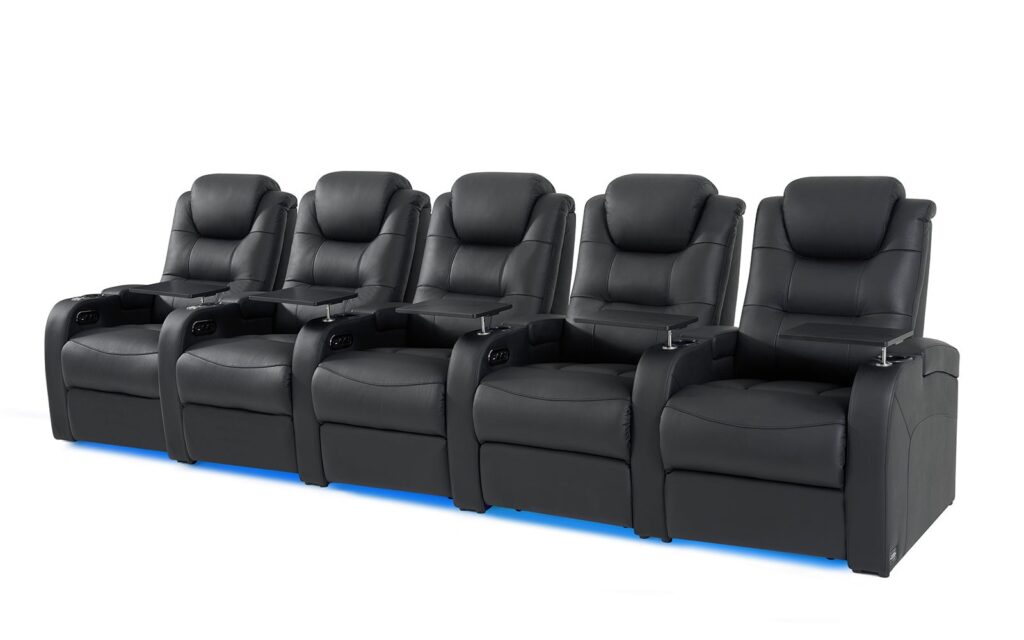
Types of Compact Recliners for Small Spaces
Wall-hugger recliners represent one of the most practical innovations for tight rooms. These seats use a forward-glide mechanism that shifts the base away from the wall as the backrest drops, requiring as little as three to four inches of rear clearance instead of the typical twelve or more. Zero-wall clearance models take this even further, allowing placement virtually flush against the wall. For couples or small families, compact loveseats with independent reclining seats on each side deliver dual comfort within a footprint barely wider than a standard sofa. Modular recliner sets offer another route—individual powered seats that lock together in a straight row or an L-shape, then separate when you need to reclaim floor space for other activities.
Optimal Layouts for Maximum Efficiency
Placement strategy amplifies the benefits of compact recliners. In narrow rooms, a single straight row of two or three seats positioned against the longest wall keeps the center open and maintains clear sightlines to the screen. Corner configurations work well in square rooms, angling a pair of seats toward the display while freeing adjacent walls for shelving or acoustic panels. Staggering seats at slightly different depths—a technique borrowed from commercial cinemas—prevents shoulder crowding and improves viewing angles without widening the overall footprint. Wherever possible, leave a walkway of at least twenty-four inches in front of the front row so fully extended footrests don’t block the path.
Achieving Style with Leather and Minimalist Integration
Benefits of Leather in Modern Home Theater Seating
Leather remains one of the most compelling upholstery choices for home theater seating, particularly in smaller rooms where furniture endures heavy daily use. Its natural durability means it resists the wear patterns that fabric tends to show after a few years of regular movie nights and weekend binge sessions. Spills wipe away in seconds—a genuine advantage when popcorn butter or a glass of wine enters the equation. Beyond practicality, leather home theater seating carries an unmistakable sense of refinement. Even a modest two-seat configuration in full-grain or top-grain leather reads as intentional and upscale, elevating the entire room without requiring additional decorative effort. The material also ages gracefully, developing a soft patina over time that adds character rather than signaling neglect.
Blending Seating with Minimalist Home Furniture
Creating a cohesive contemporary media room means treating your theater chairs as part of a larger design conversation, not as standalone pieces. Start by matching the seating’s color temperature to surrounding minimalist home furniture—warm leather tones pair naturally with walnut or oak media consoles, while cooler grays and blacks complement matte metal shelving and concrete accents. Keep the surrounding area uncluttered by choosing floating shelves instead of floor-standing cabinets and concealing cables behind wall-mounted raceways. A single statement rug beneath the seating group ties the zone together visually while softening acoustics. The goal is a streamlined environment where every element, from the screen wall to the seats themselves, feels like it belongs to one unified, thoughtfully curated space.
Practical Steps to Choose and Install Your Seating
Step 1: Assessing Your Space and Requirements
Before browsing any catalog, grab a tape measure and map your room’s exact dimensions, including ceiling height, door swing clearance, and the distance from your planned screen wall to the opposite surface. Mark electrical outlets and note where cables currently run. Then define how the space will function beyond movie watching—will it host overnight guests, double as a home office, or serve as a kids’ play area during the day? This clarity determines whether you need convertible pieces, modular sections, or a fixed row. Finally, count your typical audience. If most screenings involve two people with occasional gatherings of four, prioritize a compact two-seat base with one add-on module rather than overcommitting to a full row you’ll rarely fill.
Step 2: Selecting the Right Configuration and Materials
With measurements in hand, narrow your options by matching configurations to your clearance realities. Rooms with less than five inches behind the seating position call for wall-hugger or zero-clearance recliners. Wider but shallow spaces benefit from an L-shaped modular arrangement that uses a corner efficiently. For upholstery, weigh your lifestyle honestly—leather home theater seating suits households with kids or pets thanks to its wipe-clean surface, while performance microfiber offers a softer hand at a lower maintenance threshold. Retailers like Comfiroom offer a range of compact configurations worth exploring, and choosing neutral tones that complement your existing minimalist home furniture ensures the seating integrates rather than competes.
Step 3: Installation and Final Touches for a Contemporary Media Room
Position your seats first without securing any connectors, then sit in each spot to verify sightlines and screen height feel natural. Once placement is confirmed, lock modular pieces together and route power cables for electric recline mechanisms along baseboards or beneath carpet edges. Add bias lighting behind the screen to reduce eye strain, and mount a slim floating shelf within arm’s reach for remotes and beverages instead of a bulky side table. A blackout curtain or roller shade on any nearby window completes the contemporary media room atmosphere, ensuring your compact setup delivers an experience that rivals rooms twice its size.
Transform Your Small Space Into a Cinematic Retreat
Creating a home theater in a small space is entirely achievable when you approach seating with the right mindset. Modern home theater seating has evolved to meet the demands of compact living, offering slim profiles, wall-hugger mechanisms, and modular flexibility that would have seemed impossible a decade ago. The key takeaways are clear: prioritize space-saving designs that match your room’s specific dimensions, choose materials like leather that deliver both durability and visual sophistication, and treat your seating as an integral part of a broader contemporary media room rather than an isolated purchase.
By following practical steps—measuring carefully, selecting configurations that respect your clearance limitations, and finishing with thoughtful touches like bias lighting and floating shelves—you transform a cramped corner into a genuinely immersive viewing environment. The beauty of today’s options is that versatility and style coexist naturally. You no longer need to apologize for your square footage or settle for furniture that feels like a compromise. With the right compact recliner configuration and a cohesive design approach, even the smallest room can deliver big-screen satisfaction. Take that first measurement, define your needs, and build the theater experience you deserve.
FAQs
Q1: What is the best type of home theater seating for small spaces? Wall-hugger recliners and modular compact seats are ideal for small spaces, requiring minimal clearance and offering flexible configurations without overwhelming your room.
Q2: How much space do I need behind a wall-hugger recliner? Wall-hugger recliners need only 3 to 4 inches of rear clearance, compared to traditional recliners that require 12 or more inches, making them perfect for tight rooms.
Q3: Is leather a good upholstery choice for home theater seating? Yes, leather is durable, easy to clean, and adds a refined look. It resists wear from daily use and wipes clean quickly, making it great for households with kids or pets.
Q4: Can modular home theater seating work in a multifunctional room? Absolutely. Modular seats can be rearranged, separated, or combined as needed, allowing the same space to serve as a theater, guest room, or lounge without major effort.
Q5: What is the minimum walkway space to leave in front of theater seats? Always maintain at least 24 inches of walkway in front of the front row so fully extended footrests do not block movement and the space remains safe and accessible.
disclaimer
The information provided in this article is for general informational and educational purposes only. Product availability, dimensions, and pricing may vary by retailer and region. Always measure your space carefully before purchasing any home theater seating. The internal and external links included are for reference only; we do not guarantee the accuracy or completeness of third-party content. Results from any seating arrangement may differ based on room size, layout, and personal preference. Consult a professional interior designer if you need customized space planning advice.