All You Need to Know About Camera Polarizer Lens

If you’ve ever wondered what a Camera Polarizer lens is and how it works, this article is for you. You’ll learn how to use a polarizer, how it works, and the differences between ND filters and circular polarizers. Plus, we’ll compare the benefits and drawbacks of each type of filter.
What is a Camera polarizing filter?
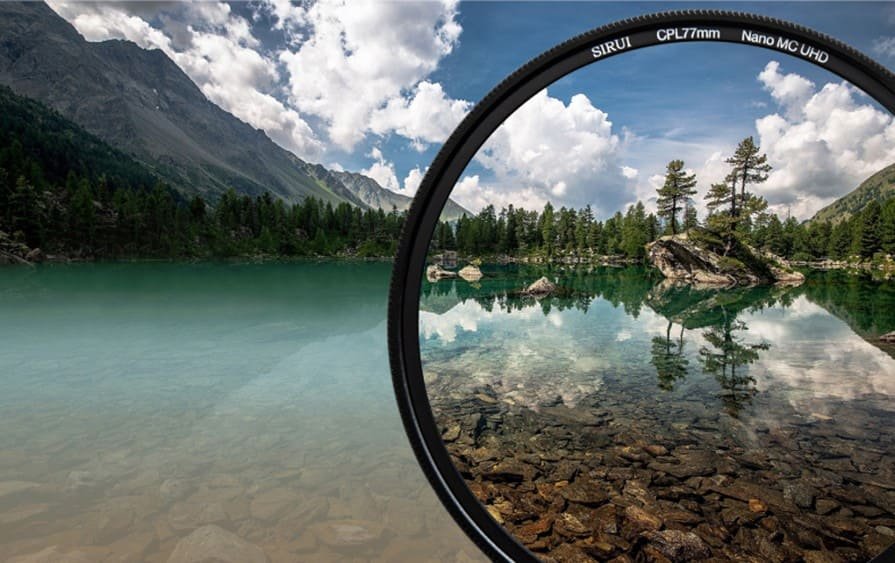
Camera polarizing filters increase the amount of polarized light that passes through a camera lens. They are easy to use. You just screw the filter onto the thread of your camera lens and rotate it until you achieve the desired polarization. Once you’ve achieved the desired effect, you can easily clean the filter with a clean cloth and store it away.
Using a polarizing filter will improve your photos as you take them and reduce post-processing time. The filters can also be used on lenses without a viewfinder, creating beautiful polarized light and saturation. However, you should be aware of the limitations of these filters. Ensure that you purchase the highest-quality polarizing filter you can afford. It’s a good investment for your photography equipment.
The first benefit of using a Camera Polarizer is that it eliminates reflections. When you photograph a landscape or any other subject, sunlight is bounced off the surface and into your camera at specific angles. If this light is not controlled, your picture will appear dull and lifeless. A polarizing filter can reduce glare and increase contrast, creating vibrant images.
How does a Camera polarizer work?
A polarizer is a special filter that alters how light looks in a photograph. These filters block the brightest, glaring reflections and reduce other, less shiny ones. In addition, they reduce the reflections of objects in transparent areas. This can make a Camera polarizer useful for capturing images of objects in glass cases or store windows.
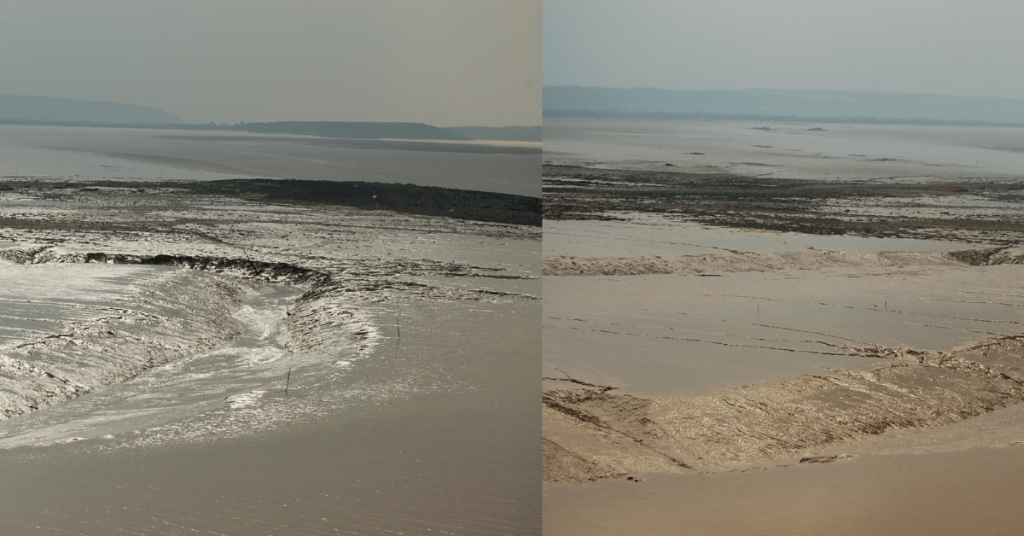
Camera polarizers work by reducing glare, a bright highlight caused by light reflecting off a smooth surface. This glare occurs on nearly everything and is difficult to remove in post-processing. Glare is often a distraction from the true detail in an image. By eliminating this distracting effect, polarizers can help you take pictures that retain the most contrast in the exposure.
The polarizing effect is most visible when the filter is placed at the proper angle.
There are two types of polarizers: the square/rectangular type and the circular one. The round polarizers have threads that allow them to screw directly onto the front of the camera. They can also be rotated freely.
Linear vs. circular polarizing filters
A polarizing filter can change the color of an image. It changes the light waves, giving a photo a deeper blue hue or a more natural skin tone. It can also change the reflection of light. Two types of polarizers are available on the market: circular and linear.
Circular polarizers are generally less expensive than linear polarizers. However, they must be adjusted for the angle of view to work properly. They work similarly to linear polarizers, darkening blue skies and saturating colors. They also remove reflections from windows and water. Unlike linear polarizers, circular polarizers do not alter the image; they only change how light passes through a camera’s sensor.
Circular polarizing filters use a birefringent material. When polarised light passes through it, the material has a different refractive index. The horizontal portion passes through the material at one speed, while the vertical component passes through it at a different speed.
ND filters vs. polarizers
ND filters and camera polarizer lenses are two common photo accessories that improve the quality of your images. They both reduce glare and light reflections and can also improve color saturation and contrast. However, their benefits differ in different situations. Here’s a brief comparison of the two.
ND filters create motion blur when looking at objects like water while polarizing filters reduce reflections and enhance colors. They work by spinning a circular lens to change the saturation of images. These filters enhance photos with color by reducing glare and enhancing the saturation of blues and greens.
ND filters and camera polarizer lenses use different mounting systems. The most common is a threaded lens filter mount, which is cheaper and allows for the simultaneous use of multiple filters. Adapter rings are also available. The downside is that you must buy a filter for each diameter separately.
The benefits of polarizing filters and when to us
Camera polarizing filters are a useful tool for improving photo quality. They reduce haze and reflections and enhance colors, particularly when taken at distances. The effectiveness of polarizing filters depends on the time of day and the celestial position of the sun.
Using a polarizing filter can help improve photos taken in bright light. Water is a common source of reflections, which can mask details beneath the surface. Rotating a Camera polarizer will eliminate these reflections, giving the image a new dimension and adding depth to the composition.
The polarizing effect of camera lenses improves photo quality by eliminating glare from non-metallic objects and improving the contrast of your photographs. This technique also allows you to view shallow waters and eliminate reflections on wet surfaces. It is important to remember that the results you get from using a polarizing filter cannot be reproduced in post-production.
Camera polarizing filters come in two main types: linear and circular. The former is used for film, while the latter is used for digital. Circular polarizers are more convenient to use because they screw onto the front of the lens without the use of a holder. Polarizing filters are effective on sunny days, but they don’t affect the autofocus of a digital camera.
Advantages of Camera Polarizer
Polarizer lenses are useful for many different purposes. While their use is not new, polarizing filters have remained relatively unchanged since their first introduction in 1938. These lenses can reduce reflections, haze, and shimmer on various surfaces. They can also be used on glass and water, although they will not reduce reflections from metallic surfaces.
Camera polarizer lenses can be difficult to work with, as they must be carefully watched while rotating. They may also become loose, so care should be taken. Furthermore, they are not effective on overcast or dark days, so a polarizer lens might not be the best choice in these cases.
The main advantage of camera polarizer lenses is that they eliminate reflected light in photos, thus improving color and contrast. Reflected light can be a problem in photography because light will bounce off of anything, from the model’s face to a leaf on a tree. The Camera polarizer suppresses this reflection, leaving your subject’s face and the object’s background in full focus.
Disadvantages
Camera polarizer lenses can be useful for shooting outdoor scenery or dim lighting, but there are a few drawbacks to consider before purchasing. First, they affect exposure, reducing the amount of light reaching the camera sensor. This means that you need to adjust your shutter speed, aperture, and ISO settings accordingly, which can result in missed shots in low-light conditions.
Camera polarizer lenses can alter the color of your photos and reduce reflections on glass surfaces. This can adversely affect your photos, and you can’t correct the problem with editing software. Another drawback is the cost, which is often prohibitive for amateur photographers.
Polarized lenses aren’t suitable for every camera model. Lenses that don’t accept screw-in filters won’t work with polarizers. Additionally, some lenses have different diameters, meaning you’ll need several polarizing filters if you have more than one lens. Moreover, step-down filters can be bulky and difficult to attach to different lenses.
Wrapping up
Adding a Camera Polarizer Lens to your bag can help you get more out of your photos. This accessory will add depth to your photos and capture sky and seabed details. The best time to use a Camera polarizer is when the Sun is at a 90-degree angle to the horizon.